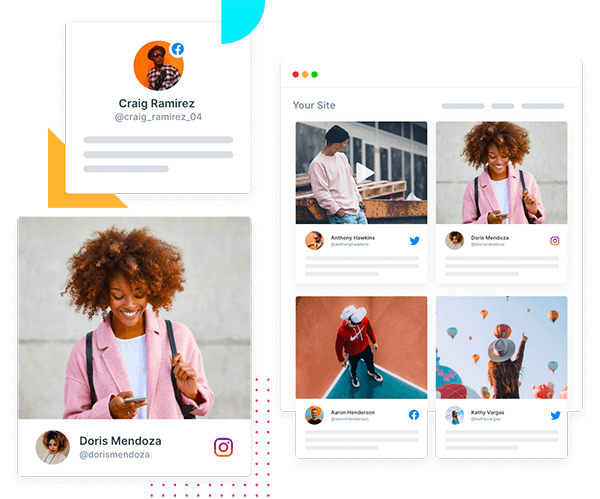
Top Social Commerce Platforms For Your Brand In 2026
Social Commerce has become a powerful toolkit for businesses and retailers. Platforms like TikTok, Instagram, and Facebook are powerful social selling platforms that make it easier for target customers to make a purchase.
As per the statistics,
- Nearly half (47%) of US consumers have purchased social media, while 6 in 10 (58%) are interested in doing so.
- Another 39% of US consumers have purchased social media and would do so again.
- 34% of consumers would be more interested in shopping on social media if they knew how their data was being kept secure.
- 46% of US consumers have purchased a livestream event and would do so again.
Well, that says a lot about the future of social commerce in the coming decade. Have you been wondering how to maximize the benefits of social commerce platforms? We are here to help. In this blog, we will talk about the A-Z of social commerce platforms. Let us get into it.


| Multiple Themes |
What is Social Commerce?
Social commerce refers to the practice of purchasing products directly from social media platforms, often through content such as Reels, shoppable posts, ads, and other visual elements.
For example, if you see a girl wearing a dress on Instagram, you can tap on the dress and buy it right there, without leaving the app. That is social commerce in action and a perfect example of shoppable ugc.
But it’s not just limited to in-app shopping. Social commerce also influences buying decisions across many touchpoints, like product pages, emails, and even in-store displays that feature social content.
The goal is to make shopping as smooth as possible via social media platforms. This helps brands reach new customers and enables users to go from discovery to checkout in just a few clicks. This leads to higher engagement, more sales, and better customer experiences.
Top Social Commerce Platforms Brands Must Know
Here are some of the top social shopping platforms that you must be aware of.
1. Instagram

Instagram social commerce is yet another dynamic platform that helps users make the purchase journey shorter. Here are some of the key functionalities of Instagram as a social commerce platform:
- Storefront Creation: Create an Instagram storefront directly from your business account’s profile.
- Product Collections: Curate themed product groups for easy browsing.
- Shopping Ads: Tag products in posts, Stories, Reels, and Live sessions to make content instantly shoppable on Instagram.
Note: Many countries still lack access to Instagram’s built-in shoppable feature. In such a scenario, they can use Tagembed to turn their posts into shoppable Instagram posts.
- Product Launch Reminders: Allow users to receive notifications of upcoming product releases on the platform.
2. Facebook

With the vast number of users, Facebook social commerce offers exceptional platform capabilities for ecommerce. Here are some of the key features you should be aware of:
- Facebook Shop Creation: Create a dedicated shop section for easy access.
- Product discovery: Drive product discovery through stories, product tags, and ads.
- Wishlist Functionality: Enable users to save desired items for future purchase consideration.
- Facebook Marketplace: This is an online platform within Facebook that allows users to buy and sell products, both new and used.
3. YouTube
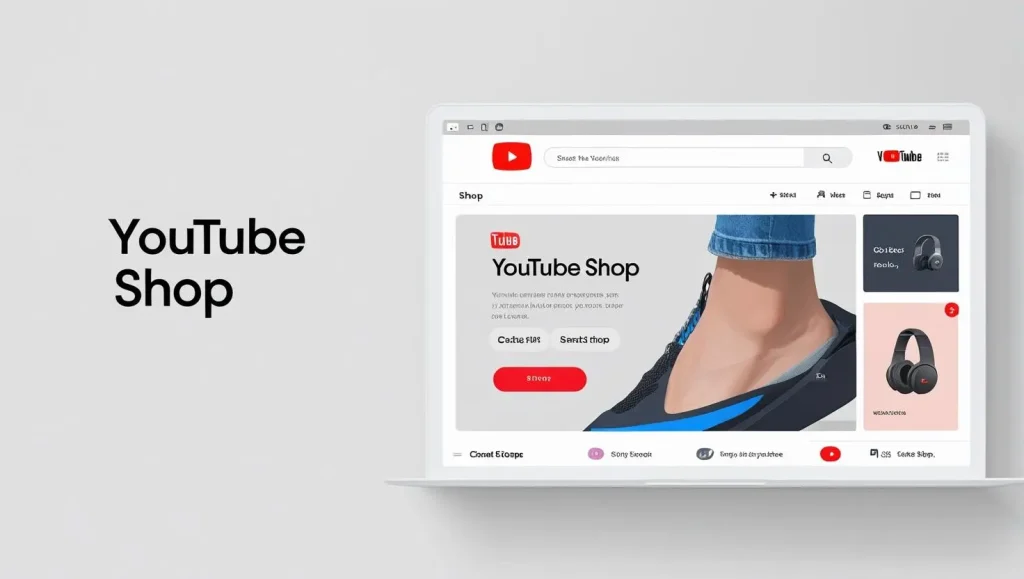
YouTube is a video-centric platform, meaning it helps brands to engage with their target audience. In fact, user-generated content is a popular genre on YouTube, as it helps in visual marketing. Let us take a look at the scope of the social commerce platform.
- Shoppable YouTube Videos: Use YouTube’s shoppable content, such as “Shopping Ads,”. This helps the viewers to explore and purchase products directly from videos.
- Integration with Google Shopping: Integrate your YouTube videos with Google Shopping. This will help the target customers discover and purchase the products featured in your videos.
4. TikTok
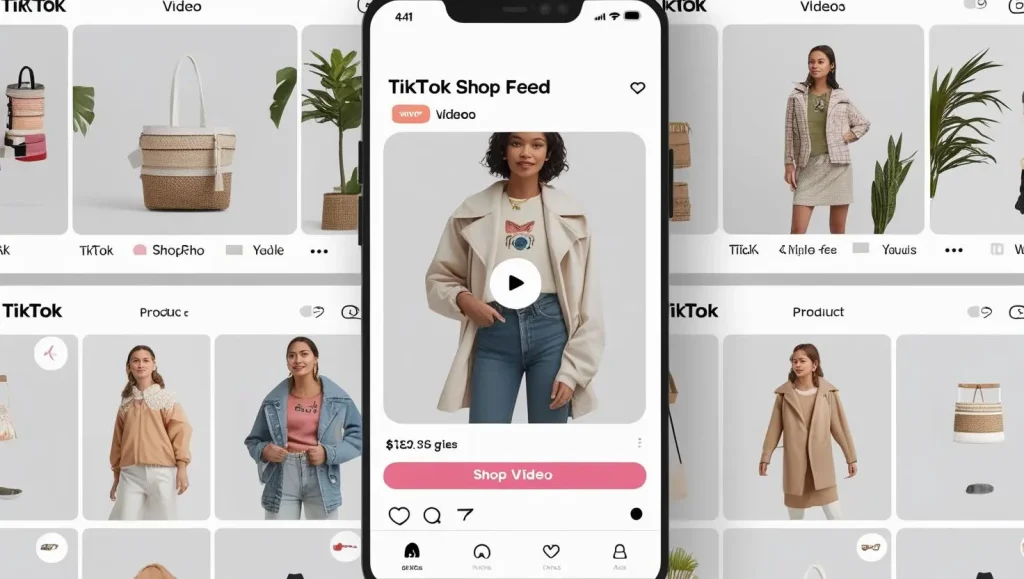
TikTok is one of the prime social ecommerce platforms. TikTok’s short-form content and features, such as in-app purchasing, make it an ideal platform. Here are some of the key functions of TikTok as a social ecommerce platform.
- Shop Tab Integration: With your TikTok Business account, add a dedicated Shop tab to your TikTok profile and synchronize it with your product catalog. You can also make your TikTok Shoppable with tools like Tagembed.
- Product Tagging in Posts: Tag your products in TikTok videos and create a seamless shopping experience.
- Live TikTok Shopping: For sellers using TikTok Shopping, Live Shopping Ads help people on TikTok discover and watch your live videos, browse and buy your products.
- Ad Campaigns: TikTok enables users to run ad campaigns based on precise demographics and interests.
5. Pinterest
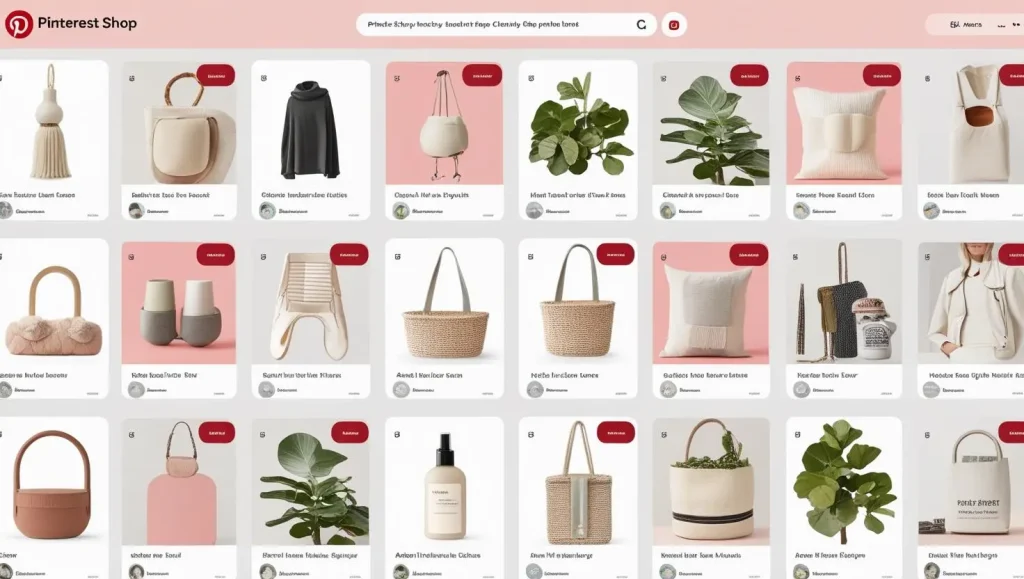
Pinterest is a visual discovery platform designed for an exceptional shopping experience. Let us take a look at its key functionalities as a social commerce platform :
- Product Catalogue Upload: Showcase your product line in one visual catalog.
- Pinterest Tag: Track performance and conversion by linking your website data.
- Shopping and Collection Ads: Promote products with immersive ad formats
- Verified Merchant Program: Build trust and get featured through exclusive badges and tools
- Shopify Integration: Sync your store and catalog for easy selling.
Benefits of Using Social Commerce Platforms
Here are some of the benefits of using social commerce platforms.
a. Reaches Out To Target Audience
Social media platforms have a significant impact on users’ purchasing intent. According to statistics, 66% of consumers have been inspired to purchase from a new brand after seeing social media posts from other consumers. Social media analytics help define your audience’s preferences, the platforms they use frequently, and the products that attract them the most. Once all of these are identified, you can tailor your strategy effectively to connect with them.
b. Increase Your Visibility and Target Customers
Nearly 58% of the global population uses social media daily for an average of 2 hours and 27 minutes. Consistent and relevant content can help you boost your brand’s exposure. Posting consistently with various formats, such as Reels, static posts, carousels, community posts, Shorts, and more, keeps your feed dynamic and customers engaged. Social media platforms help connect with your core audience while also exposing your brand to new users through customer recommendations and viral content. This helps in the organic growth of the user base. Shoppable video platforms like TikTok, Instagram, and YouTube thrive on algorithm-driven discovery. This means the more content you create, the more visible you become and can reach thousands, or even millions, of potential customers.
c. Two-Way Conversation With Target Customers
One of the reasons social commerce is gaining popularity so quickly is its interactive nature. Interactive features on platforms allow users to share feedback, reviews, and experiences. Positive social proof from peers and influencers builds trust and drives conversions.
| Multiple Themes |
Future Trends in Social Commerce
Here are some of the future trends in social commerce that are expected to become prominent in the next few years.
1. Shoppable Content
Over time, social media platforms have evolved into direct sales channels, enabling users to make purchases directly within the app. This trend is backed by features like Shoppable tags, AI Product tagging, and more. Tagembed, a social commerce platform, features a Shop on Bio option. This feature helps you redirect your social audience on Instagram and TikTok directly to product pages with Shopon Bio. All of these features help retailers and brands to make it easier than ever to convert casual browsing into immediate sales.
2. Augmented Reality Integration
Augmented reality is expected to become a prominent trend in social commerce in the near future. This technology enhances the shopping experience by allowing users to virtually try on products, such as clothes, accessories, or makeup, before making a purchase. This reduces the risk of returns and provides a more engaging and personalized shopping experience.
Live Shopping Events
Another future trend in making is the Live shopping experience. These events often feature live demonstrations, limited-time offers, and endorsements from influencers. This helps the users to create a sense of excitement and urgency that drives sales.
AI-Powered Personalization
AI and chatbots are being used to create a highly personalized shopping experience. This includes AI-driven product recommendations, automated customer support, and personalized content delivery based on individual preferences and behavior.
The Final Note
Social Commerce platforms are no longer a trend, but rather a necessity that helps current retailers and brands to grow via social media platforms. With each passing year, the evolution of social media platforms is undergoing profound changes. And social commerce is its latest frontier. We have mentioned all the needed information about social commerce platforms.
If you are still sleeping on your social media presence and not using it for selling, what is holding you back?
Frequently Asked Questions
Social commerce refers to the buying and selling of products or services directly within a social media platform. It transitions from the traditional route of product discovery to final purchase within the same platform in just a couple of minutes. Leading social media platforms, including Instagram, Facebook, and Pinterest, offer social commerce tools. Using these platforms, you can create digital storefronts and help your potential customers make a purchase instantly.
Social commerce trends in 2025 are a continued shift towards AI-powered personalization, immersive experiences like AR/VR, and the rise of live shopping and video-first content.
One example of social commerce is brands tagging products in Instagram posts, allowing followers to make purchases directly within the app. Alternatively, businesses can create storefronts on Facebook or Pinterest to showcase and sell items.
With 3.07 billion active users, Facebook is the most used platform.
Embed social feed from Facebook, YouTube, Instagram, Twitter on your website, like a PRO
Invalid Email Address Multiple Themes