Best LinkedIn Lead Generation Strategies That Actually Work
LinkedIn is the goldmine of lead generation- only if you use it right.
LinkedIn is the largest B2B platform with advanced search filters. These filters allow businesses to narrow their search to specific industries, job posts, and demographics.
However, grasping LinkedIn lead generation well is challenging. In 2026, LinkedIn lead generation does not need reinvention. Instead, it must refine what works, and tools should create more innovative results.
But the good news is – we have done the hard work for you.
In this blog, we will discuss all the ins and outs of LinkedIn lead generation strategies that will help you target the right leads, convert, and measure success in time. So, without any further ado, let us get into it.


LinkedIn Official APIs | Multiple Themes
What is LinkedIn Lead Generation?
LinkedIn lead generation involves attracting and capturing potential customers on LinkedIn by engaging with them through content outreach and LinkedIn marketing tools. It helps businesses and professionals generate high-quality leads by leveraging the LinkedIn professional network.
Why is LinkedIn a powerful platform for lead generation?
Here are some reasons why LinkedIn is a powerful platform for lead generation.
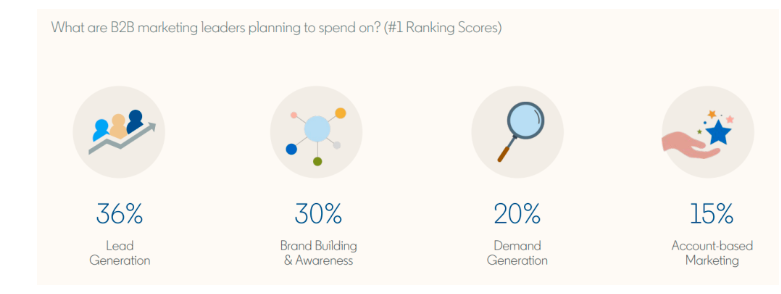
- According to a State of B2B Marketing Report from Wpromote, 89% of B2B marketers use LinkedIn for lead generation, and 62% say it generates over two times more than the next-highest social channel.
- 80% of B2B leads from social media come from LinkedIn, making it the top choice for B2B professionals.
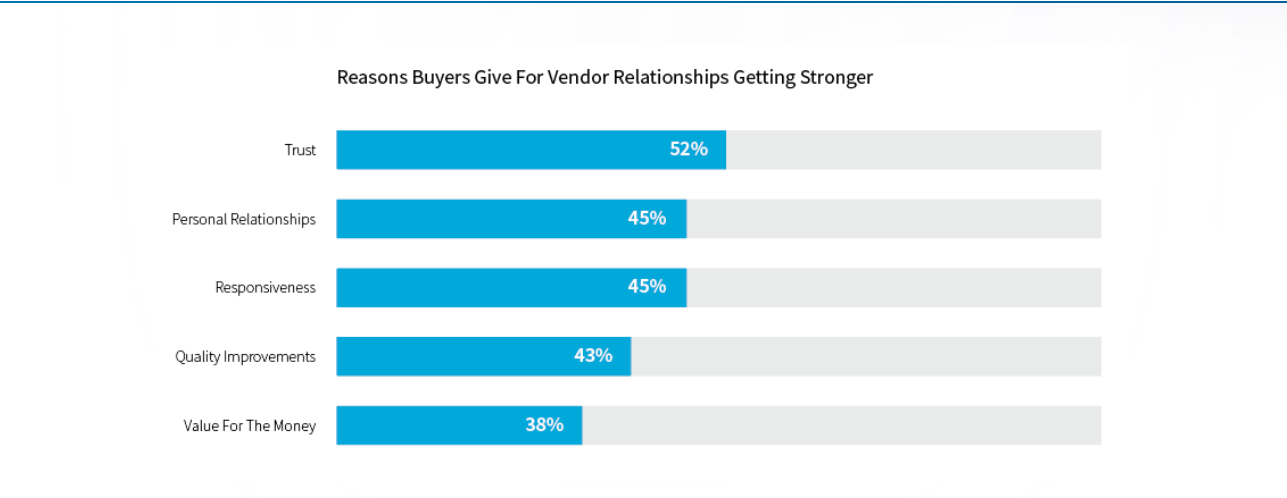
Source: https://business.linkedin.com/
Benefits of Lead Generation on LinkedIn
Lead generation on LinkedIn offers numerous benefits for businesses looking to grow their clientele. Here are some of the benefits of LinkedIn lead generation.
a.) Targeted Ads
LinkedIn’s targeted advertising tools and advanced search support precise audience targeting, ensuring marketing campaigns reach the right people. Engaging content shared on LinkedIn positions a company as an industry leader, adding credibility and trust.
b.) Networking Opportunities
LinkedIn is your best shot for expanding your network with like-minded people.
As such, it allows a network to connect with a decision-maker or other professionals who could help in the first case. The platform also enables fertile networking opportunities for quickly establishing valuable partnerships and referrals.
Top LinkedIn Lead Generation Strategies
The lead generation funnel, no matter what platform you are dealing with, represents a person’s journey from giving the information to making the purchase.
This might come as a surprise, but 50% of qualified leads aren’t ready to purchase at first contact. Therefore, designing a sales funnel is essential. This blog’s LinkedIn lead generation strategies will be TOFU, MOFU, and BOFU.
TOFU- Top of the Funnel refers to the initial stage of a buyer’s journey.
MOFU – Middle of the Funnel refers to the stage in a marketing funnel where potential customers consider purchasing.
BOFU- The Bottom of the Funnel refers to the stage in a marketing funnel where potential customers are highly engaged and ready to purchase.
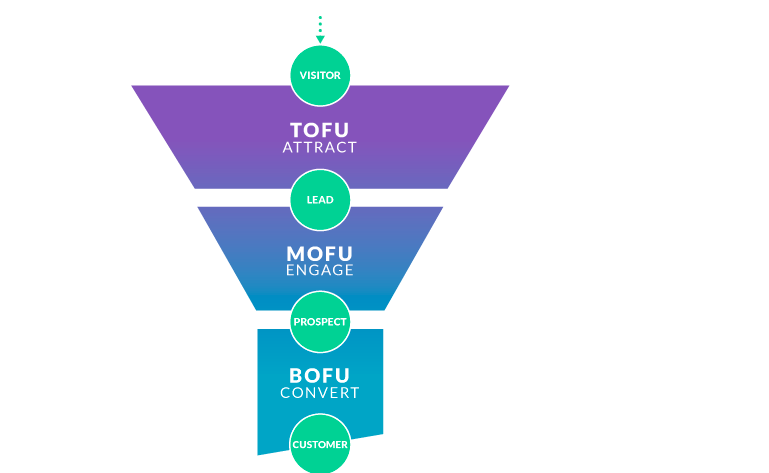
The LinkedIn lead generation strategies in the blog are based on the same sales funnel. Let’s examine them.
1. TOFU (Top of Funnel) – Awareness Stage
Here are the LinkedIn lead generation strategies at the top of the funnel.
a.) Identifying The Target Audience
Define your business’s ideal customer profile based on demographics, interests, and pain points. Businesses can refine their strategy using market research, customer data, and competitor analysis. This involves analyzing demographics such as age, area, income level, and occupation to understand potential customers.
Additionally, psychographics are key in assessing interests, values, and pain points to align messaging with customer motivation. Understanding behavioral data, such as online activity buying habits and engagement levels, helps refine targeting strategies by focusing on those who show genuine interest.
b.) Attracting Interested Leads
To generate leads on LinkedIn, businesses need to create compelling content that attracts their target audience and encourages them to take action. Since LinkedIn is a professional platform, the content should be valuable, insightful, and aligned with industry trends. Strategies include :
Through Leadership Posts: Sharing industry insights, expert opinions, and best practices. Businesses can also brainstorm different LinkedIn post ideas to pick up the pace with their competitors.
Engaging Visuals and Carousel – Using infographics and multi-slide posts to present information.
LinkedIn Polls and Questions – Encouraging engagement through interactive posts.
Webinar & LinkedIn Live Sessions – Hosting events to share knowledge and capture high-intent leads.
Case Studies and Testimonials – Showcasing real-world success stories to build trust.
2. MOFU (Middle of Funnel) – Consideration Stage
These LinkedIn lead strategies are in the middle of the funnel.
a.) Capturing Leads
Once potential leads are interested, businesses must streamline capturing their information. Some practical ways to do this include :
- LinkedIn Lead Gen Forms– Pre-filled forms are used in sponsored content and message ads for seamless opt-ins.
- Landing Pages with Clear CTAs – Directing users to a well-optimized landing page with a strong call to action.
- Downloadable Resources – Offering eBooks, whitepapers, LinkedIn videos, or checklists in exchange for contact details
- LinkedIn events – Encouraging sign-ups for webinars or industry discussions.
b.) Nurturing Leads
Once leads are captured, businesses should engage and nurture them until they are ready to convert. One of the key strategies is to send personalized emails to potential leads. This means businesses need to send follow-ups and relevant sets of emails.
3. BOFU (Bottom of Funnel) – Decision Stage
These are the LinkedIn lead strategies at the bottom of the funnel.
a.) Converting Leads
Once nurture has been completed, the next big thing will be the transition of leads into paying customers. Various tactics for achieving this include booking one-on-one sales calls and product demos to engage prospective clients. Applying pressure with special incentives, including limited-time discounts, can motivate a prospect to plunge. All objections must be countered by addressing the prospect’s questions and concerns in the decision-making process. And speaking of social proof, client testimonials, case studies, and success stories can enhance credibility and spur some conversions.
b.) Analyzing The Lead Generation Process
Monitoring and analyzing the effectiveness of lead generation efforts is critical for ongoing improvement. Chief metrics to monitor include engagement scores, which evaluate how respondents interact with the material. Moreover, click-through rates (CTR) will provide insights into ads and posts’ performance. Watch lead conversion rates to see how many leads become actual customers. Lastly, the cost per lead (CPL) will shed light on the return on investment for campaigns, especially on networks like LinkedIn.
c.) Optimizing Future Campaigns
A business continuously optimizes through dynamic data analysis to improve its performance. This process involves several primary actions. Testing in an A/B setup allows companies to experiment with various content formats, ad creatives, and messages to find the one that resonates with the audience. Also, keep updating buyer personas so that targeting can tweak itself to align with market changes. Companies must improve their content strategy by producing exciting and relevant posts for their audience.
Tools To Supercharge Your LinkedIn Lead Generation
Using the perfect combination of tools to boost LinkedIn lead generation is transformational. Some of these include LinkedIn Sales Navigator, which allows techniques like advanced search to pinpoint specific, particular target audiences, while automation service tools such as Dux-Soup and Zopto aid in running time-consuming connection requests and follow-up messages. These LinkedIn lead-generation tools take out a lot of the plate and leave time for more tasks.
After all, content-scheduling platforms like Buffer can provide the necessary uplink through consistent posts of value-engaging content and assure site users of ongoing activity on a profile. Here is the best way to go about it.
Other tools like Tagembed help users showcase their LinkedIn content on their websites. A LinkedIn feed widget should be placed on the website, an engaging web presence should be maintained, and social proof should be created.
Additionally, analytics tools such as Shield provide insights into your engagement metrics, helping refine your strategy for better results. Together, these tools elevate your lead generation efforts effectively.
Conclusion
LinkedIn is not a platform where you just need to be there. This is a goldmine of all the leads you have been looking for all your life. We have mentioned all the LinkedIn lead generation strategies and best practices that can help you in that way.
So, what is stopping you from getting those leads? Go ahead, take a chance, and see your business grow!
Frequently Asked Questions
The best way to generate leads on LinkedIn is to actively engage with your network by sharing valuable content, joining relevant groups, and connecting with potential clients. Use personalized outreach messages and follow up strategically to build relationships that can convert into leads.
To optimize your LinkedIn profile for lead generation, ensure that your profile picture is professional, your headline clearly states your expertise, and your summary highlights your value. Include keywords relevant to your industry, showcase your accomplishments, and make sure your contact information is easily accessible.
One of the best tools for lead generation is LinkedIn Sales Navigator. It offers advanced search features, personalized recommendations, and insights into your leads, making identifying and connecting with potential clients easier.
The 4 L’s of a lead generation strategy are: Locate – Identify your target audience. Leverage – Use your network to connect with potential leads. Learn – Understand the needs and pain points of your target audience Launch – Implement campaigns to engage and convert leads.
Generating leads effectively on LinkedIn involves creating high-quality content, engaging with your connections, utilizing targeted ads, and leveraging LinkedIn Groups. Consistent interaction and building relationships can also enhance lead-generation efforts.
The leads you can expect from LinkedIn vary based on factors such as industry, the effectiveness of your strategies, the size of your strategies, and the size of your network. With a well-optimized profile and a strategic approach, you could generate from a handful to several monthly leads.
LinkedIn Ads can be worth it for lead generation, especially for B2B businesses. They allow you to target specific audiences based on job titles, industries, etc. However, the effectiveness depends on your ad quality, targeting precision, and budget management.
To avoid being flagged as spam on LinkedIn, focus on personalized messages, limit the number of connection requests you send, avoid excessive promotional content, and engage genuinely with your network. Always prioritize building relationships over hard selling.
Embed social feed from Facebook, YouTube, Instagram, Twitter on your website, like a PRO
Invalid Email Address Multiple Themes