Facebook Social Commerce: The Future of Shopping and Engagement
Scrolling through Facebook might not just cost a user time anymore; it could cost them that shirt they didn’t know they needed.
In 2024, nearly 37% of online shoppers made a purchase directly through a social platform, with Facebook leading the charge.
Facebook social commerce blends browsing and buying into one smooth scroll, letting people shop without bouncing to another site. For brands, it’s a shortcut from curiosity to checkout. For shoppers, it’s dangerously easy. One click, two clicks, done, and the package is already on the way.
In this blog, we’ll learn more about Facebook Social Commerce, from how you can set up a Facebook Shop to what the future holds.
So, without further ado, let’s get started!


What is Facebook Social Commerce?
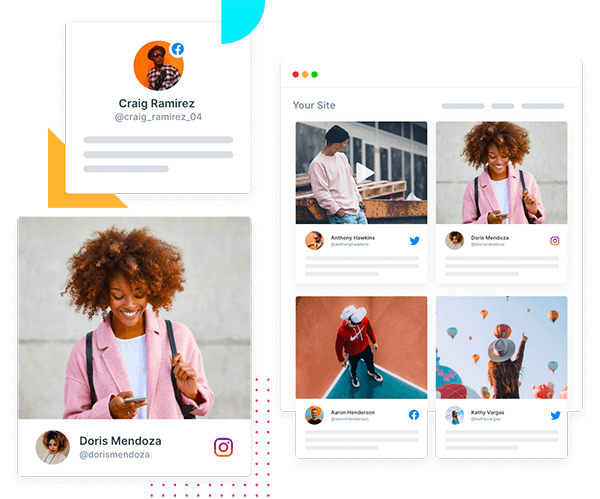
Facebook social commerce is the process of selling products directly through Facebook by turning social content into shoppable experiences. It allows brands to collect posts, photos, or videos from Facebook, tag products in them, and embed that content into their own e-commerce store.
Think of Facebook social commerce like a shortcut between “I like this” and “I bought this.”
It lets brands pull content straight from Facebook, make it shoppable, and plug it right into their online store.
No extra clicks, no getting lost in 5 different tabs, customers see the product, tap, and buy.
Why does it work so well?
Facebook is still the big name in the social playground. Its shop feature is built for visual selling, with big, bold product displays that grab attention. And Facebook Business Commerce is not just about looking good. The whole experience is built to be smooth for the buyer, from scrolling to checkout.
How to Set Up a Facebook Shop?
Facebook social commerce isn’t just for the big brands anymore. Any business, small or large, can plug it into their e-commerce strategy without needing a tech army. Here’s the step-by-step (and honestly, it’s not as complex as it sounds):
1. Create a Business Account
No business account, no shop. Facebook needs you to set one up before you do anything else. It’s your base for adding products, reading insights, and tagging items.
2. Sync Your Product Catalog
Upload your products in bulk through your CMS or manually if you want. This is what turns your posts into shoppable media later.
3. Add Product Tags
Tag the products right in your posts so people can click and buy directly. Use the catalog you just synced, which saves time and typos.
4. Integrate with Your Store
Finally, embed the shop or gallery into your website, homepage, product pages, or even checkout if you like.
Done. Four steps and you’re ready to sell on Facebook without overthinking it.
Benefits of Facebook Social Commerce
Social Shopping Facebook is more than just another “sell on social” trend. It’s become a solid tool for brands wanting to expand reach and turn casual scrollers into paying customers. Here’s why it works so well:
1. Showcasing Products That Actually Stand Out
High-quality shoppable images, short videos, and even real customer posts can be pulled into your shop. This makes products look less like plain listings and more like something people actually want to click.
2. Smoother, Quicker Purchases
Nobody likes 5-step checkouts. Facebook keeps it simple; customers can buy directly from the post or feed without jumping through extra hoops. Less friction means more completed orders.
3. Better Product Discovery
Tagging products in posts isn’t just convenient; it helps people find items they didn’t even know they were looking for. One scroll and boom, they’re on your product page.
4. Trust Through Real Content
User-generated photos, reviews, and influencer shoutouts all work as social proof. When buyers see real people using your products, confidence goes up.
5. Authenticity That Sticks
It’s not all polished ads. Facebook social commerce lets brands use genuine content, helping stores feel more “human” and relatable.
At the end, it’s a mix of good visuals, easy buying, and trust-building content. And that’s exactly what turns browsers into loyal customers.
Importance of Facebook in Social Commerce
Facebook isn’t new to the game; it’s been shaping how people connect online for almost two decades. But in 2025, it’s not just a social network. It’s one of the biggest drivers of social commerce. And the numbers back it up: over 2.9 billion people still actively use it. That’s more than a third of the planet.
The familiarity factor is huge. People already know how Facebook works, so shopping here doesn’t feel strange or risky. For brands, this means less convincing, more converting. You can also encourage customers to share their own posts, reviews, or photos, and then turn those into shoppable content.
Collecting and curating content is also super easy. Almost every ecommerce marketing tool supports Facebook, so you can quickly pull user content into a product gallery without wasting hours.
And then there’s trust. Seeing the Facebook logo next to a product feed instantly makes it feel more legitimate. That reputation has been built over the years, and it still matters to buyers today.
Simply put, Facebook isn’t just “nice to have” in social commerce. It’s the foundation you build on if you’re serious about sales through social media.
Facebook Social Commerce Examples
Facebook social commerce isn’t just theory; it’s already driving big wins for brands. Let’s look at how some names are using it smartly.
1. H&M

The fashion giant uses Facebook Shops like a digital boutique. Curated seasonal collections, sustainable fashion picks, and a smooth Messenger chat for quick support. The result? 25% lift in online sales. Customers shop without jumping between tabs.
2. Zimba

This teeth-whitening brand jumped in early. They pulled 1,200 extra product orders directly from Facebook Shops. Even better, the average order value here was 6.7% higher than on their own site. In-app buying clearly pushes bigger baskets.
3. Clinique
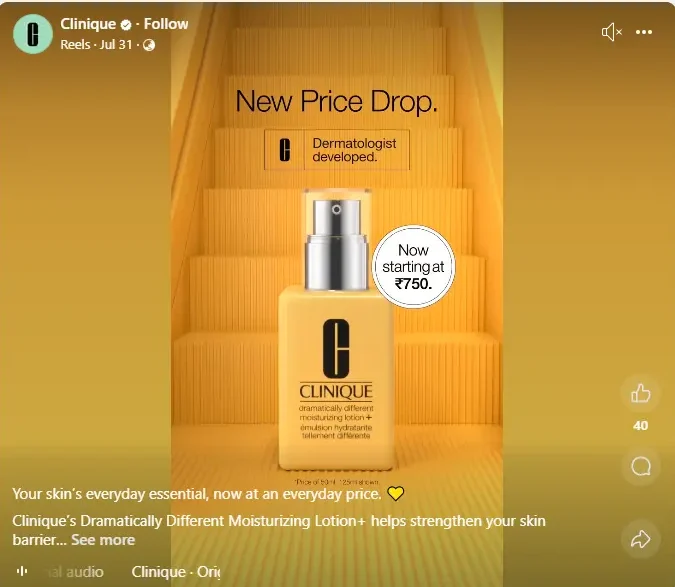
Their Facebook Shop is clean, product-tagged, and visually tight. A live shopping event for an Instagram-exclusive set went cross-platform, selling “Almost Lipstick in Black Honey.” Launch speed was 7X faster than usual.
4. Glamnetic

Beauty meets live commerce. Magnetic lash demos, pro tips, and exclusive offers, all streamed live. Product tags drop you straight into their Facebook Shop.
5. Burberry

Luxury on Facebook Live. Short, sharp videos. Micro-commercials. High-touch storytelling that clicks directly to purchase. They’re not just selling products; they’re selling an experience in real time.
Future of Facebook Social Commerce
The future of Facebook social commerce looks even more integrated and personal. With AI-driven recommendations, users will see product suggestions that match their style, budget, and past purchases, all without leaving the app.
Live shopping will become more interactive, with real-time polls, AR try-ons, and influencer-led events driving instant buying decisions. Payments will be faster, and cross-platform integration with Instagram and WhatsApp will make the shopping journey smoother than ever. Brands that adapt early will win because customers now expect convenience and speed over everything else.
It’s not just about selling anymore; it’s about creating a social shopping experience that feels natural, fun, and personal, right where people already spend their time.
In 2025, Facebook won’t just be a social commerce platform; it will be a full-scale shopping mall in your pocket.
Conclusion
Facebook social commerce isn’t just some passing buzzword. It’s changing how people find and buy stuff online. With billions scrolling daily, built-in shop features, and the power to drive instant purchases, it’s becoming the heart of many brand strategies.
Are the brands moving early? They’re building trust, loyalty, and sales. The ones waiting? Honestly… they might already be late.
Oh, and here’s where it gets interesting: Tagembed lets you create a real Facebook UGC feed, put it right on your website, and make it shoppable. So your customers don’t just see the hype… they can buy it, right there.
Frequently Asked Questions
FB commerce is selling products directly on Facebook through its shop feature, letting users browse, buy, and check out without leaving the platform.
Yes, creating a Facebook shop is free, but there might be small selling fees per transaction depending on your country and payment setup.
You can find the Shop tab on a brand’s Facebook page or in Marketplace. Just click, browse products, and purchase right there.
Embed social feed from Facebook, YouTube, Instagram, Twitter on your website, like a PRO
Invalid Email Address Multiple Themes